Design
7 min read
March 26, 2026
Building a scalable timeless design system
A scalable design system creates consistency across products, speeds up development, and helps teams design with confidence as projects continue to grow.

Every digital product starts small. A handful of screens, a few buttons, and a simple visual style are often enough to launch an idea. As the product grows, however, maintaining consistency becomes increasingly difficult. New features, additional team members, and evolving requirements can quickly lead to duplicated components and inconsistent experiences.
A design system isn't simply a collection of UI elements. It's a shared language that helps designers and developers make better decisions while keeping every screen visually connected.
1) Start with principles, not components
Great design systems begin long before the first button or card is created. They start with principles that define how the product should feel, behave, and communicate with users. These principles become the foundation for every interface decision that follows.
By establishing consistent rules for spacing, typography, colors, and interaction patterns, teams can create products that remain cohesive as new features are introduced.
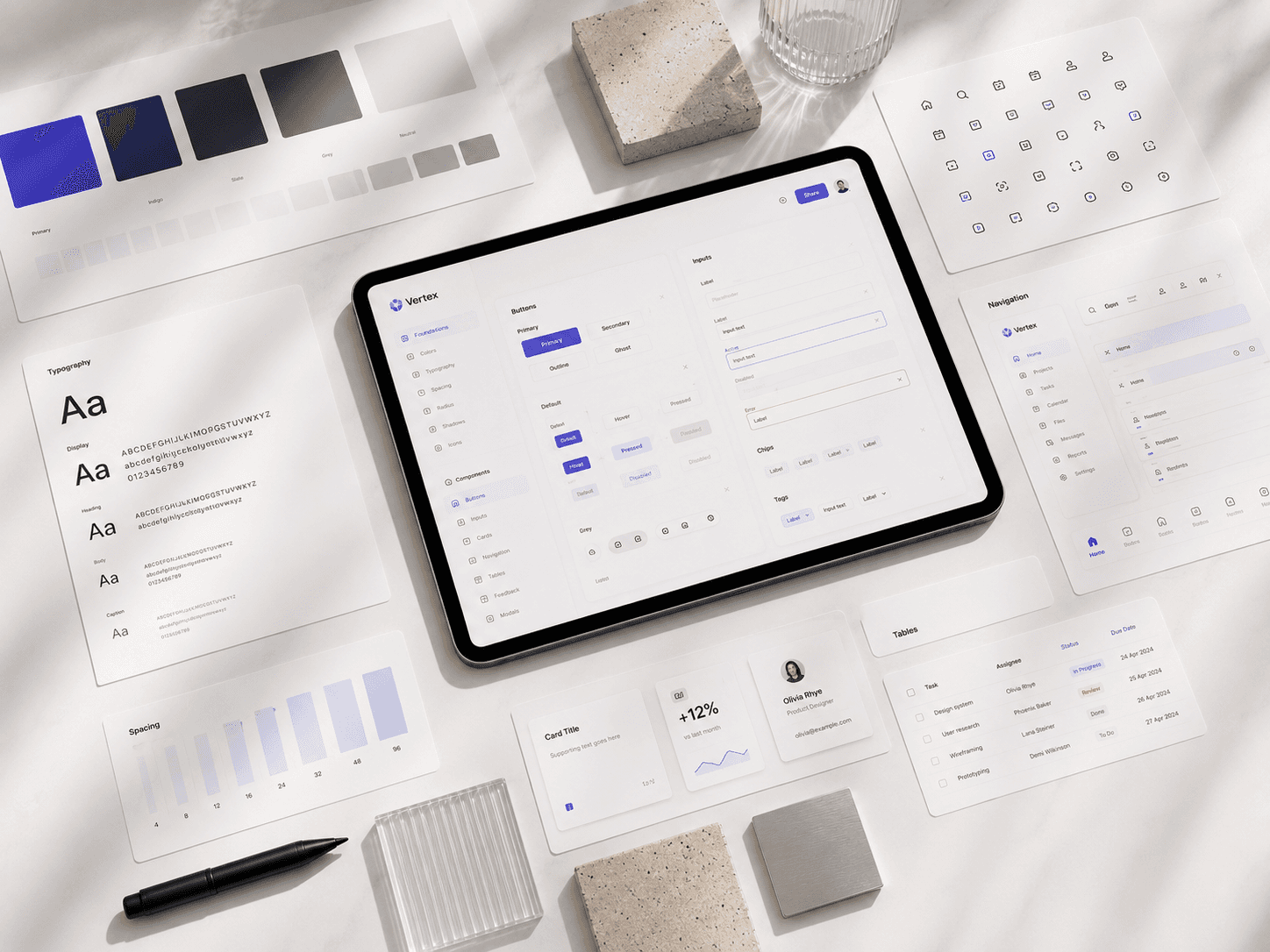
2) Build reusable patterns instead of unique screens
Instead of solving the same design problem repeatedly, reusable components allow teams to focus on solving new challenges. Flexible buttons, forms, navigation, cards, and layouts create a consistent experience while dramatically reducing design and development effort.
Users also benefit from familiar interactions. Once they understand one part of the interface, they can confidently navigate the rest of the product without additional learning.
3) Design systems grow with the product
A successful design system is never static. As products evolve, the system expands to support new workflows, accessibility improvements, and emerging product requirements. Every new component strengthens the foundation instead of creating inconsistency.
Treating the design system as a living product ensures it remains valuable throughout the entire lifecycle of the application.
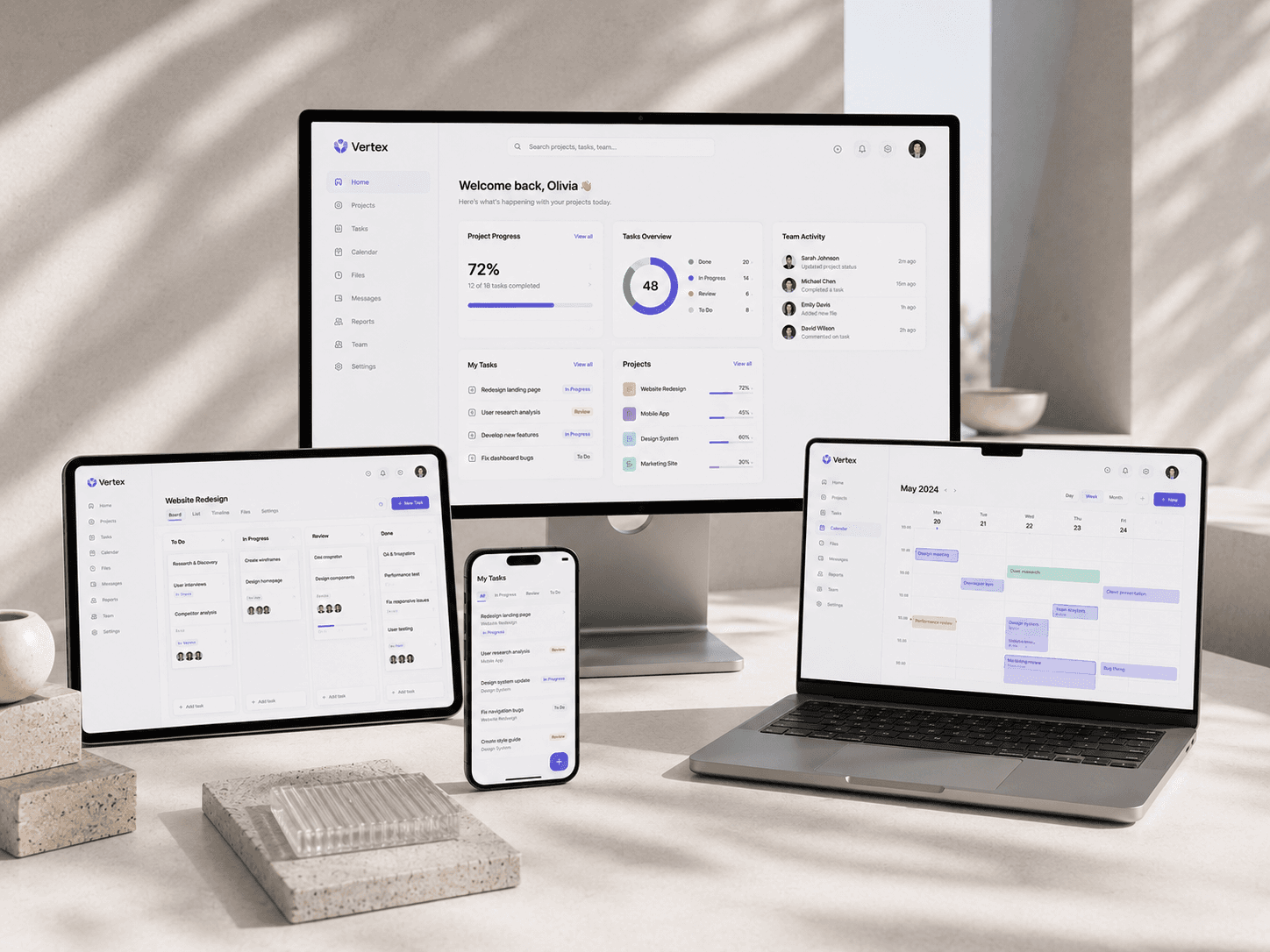
4) Consistency creates confidence
Users rarely notice perfectly consistent interfaces, but they quickly notice inconsistency. Familiar patterns reduce cognitive effort and create confidence throughout every interaction.
Whether someone is switching between desktop, tablet, or mobile, maintaining the same visual language allows them to stay focused on their work rather than learning new interface behaviors.
5) Key takeaways
Build principles before components.
Create reusable patterns instead of isolated screens.
Allow the design system to evolve over time.
Maintain consistency across every device.
Think of the design system as a product, not documentation.
6) Conclusion
The best digital products don't achieve consistency by chance. They rely on thoughtful design systems that grow alongside the product, helping teams move faster while delivering experiences users can trust. Investing in a scalable system today creates a stronger foundation for every feature built tomorrow.

